Sonya R.
Content Manager
July 10, 2026
5 min
read

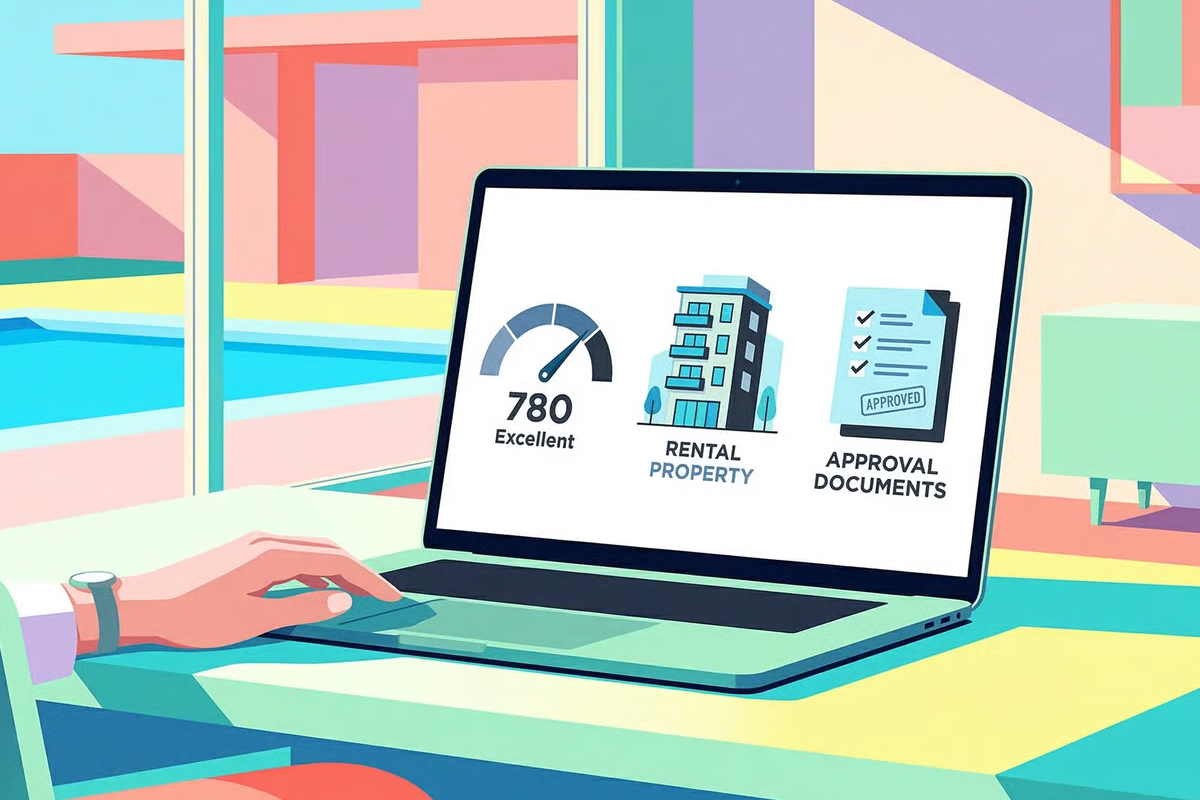
A lot of investors hear the same thing about DSCR loans: they are based on the property, not your personal income
That is true to a point. But it leads many borrowers to underestimate the role of credit. In reality, most DSCR lenders still care about your score because it affects how much risk they believe they are taking. Current public lender guides commonly reference score floors in roughly the 620 to 680 range, with stronger terms clustering at the higher end.
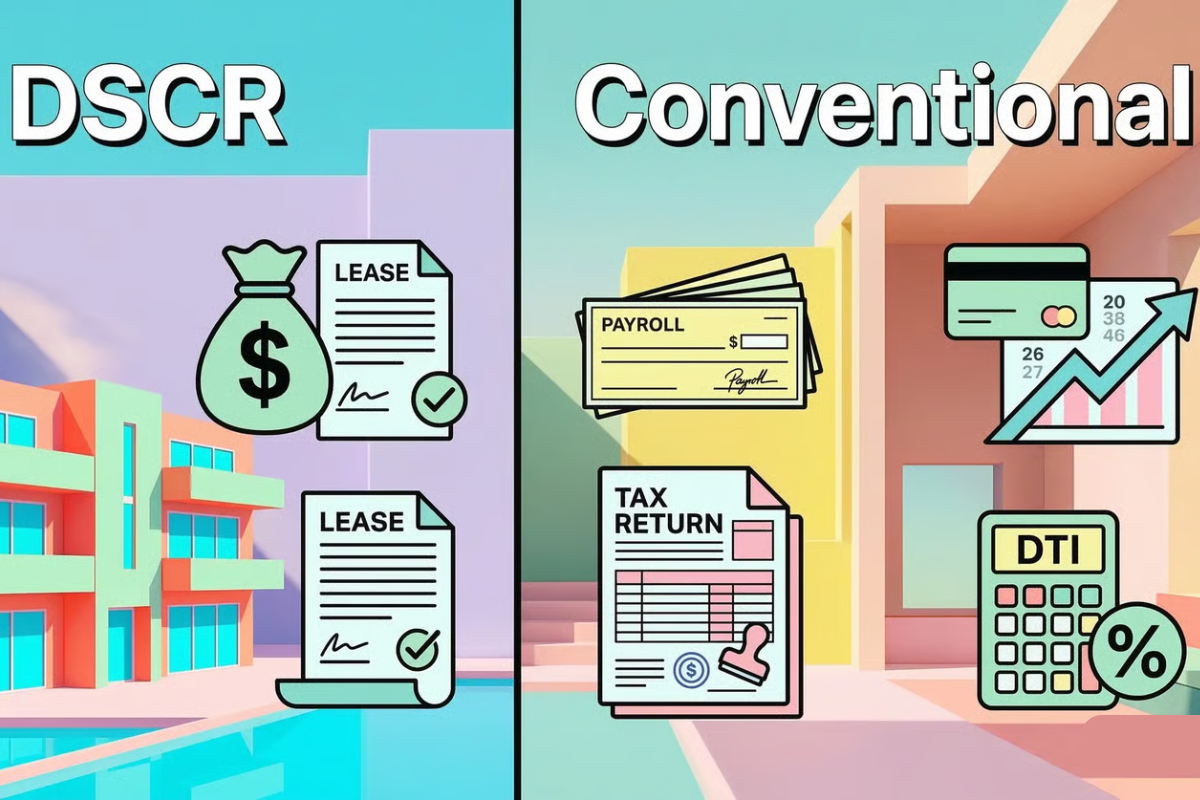
DSCR loans are different from conventional owner-occupied mortgages because the lender is focused on rental income and property performance. But that does not mean your credit disappears from the decision.
Your credit score can influence:
So while the property may be doing the heavy lifting, your score still shapes the quality of the loan offer.
Many investors ask the wrong question.They ask whether their score is high enough to get approved. But the more useful question is whether their score is high enough to get terms that keep the deal attractive.
There is a big difference between:
That gap matters because even a modest change in rate, fees, or leverage can materially change your monthly cash flow and long-term return.
A lender is usually trying to answer one broad question: how much uncertainty is in this loan?A lower credit score can increase uncertainty.
It may lead the lender to offset risk in other ways, such as:
A stronger credit score does the opposite. It does not guarantee the best possible loan, but it can give the lender room to be more aggressive on terms.
Your score matters, but it is not the whole file.
A lender may become more comfortable with average credit if other parts of the file are strong, such as:
That is why credit should be managed as part of the total package, not in isolation.
If your score is not where you want it, do not rush the application. Strengthen the file first.
Start with the basics:
Review your credit report
Look for errors, outdated balances, or duplicate negative items.
Lower revolving utilization
Credit card balances can hurt more than many borrowers realize.
Avoid new debt before closing
A new car loan, personal loan, or large credit inquiry can shift your profile in the wrong direction at the wrong time.
Build more reserves
Even when score is not ideal, liquidity can help offset perceived risk.
Choose the right property
A cleaner deal can often compensate for a less-than-perfect borrower profile.
Some investors spend too much time hunting for the lender with the lowest possible score requirement and not enough time improving the deal itself.
That is usually backwards.
A mediocre property with thin margins does not become a great investment just because one lender is willing to approve it. In many cases, the better move is to improve your file, preserve your options, and borrow against a property with stronger cash flow.
Better credit does not just help you close. It helps you close on terms you can live with.
The minimum credit score for a DSCR loan is only the surface-level issue. What really matters is how your score affects the rest of the loan structure.
A stronger score can improve leverage, pricing, reserve treatment, and overall flexibility. A weaker score can still be workable, but it usually makes every other part of the transaction harder.
For investors, that means credit should be treated as a portfolio tool. Improving it is not just about qualifying for one deal. It is about expanding your financing options for every deal that comes after.